
Charity Merchandise
Turning Causes into Commerce: The Power of Charity Merchandise

In today’s increasingly competitive nonprofit sector, raising awareness and generating funds are twin imperatives. Charities large and small are constantly looking for meaningful ways to engage supporters, deepen loyalty, and deliver value beyond “just asking for donations.” One of the most powerful tools in your toolkit is charity merchandise — branded items sold or given away to supporters as tangible symbols of alignment with your cause.
When done right, charity merchandise can:
-
Raise unrestricted revenue
-
Promote brand awareness (walking advertisements)
-
Deepen emotional engagement
-
Attract new supporters
-
Provide legacy/souvenir items at events
-
Create recurring touchpoints
But success depends on more than slapping a logo on a bag or T-shirt. Below, we explore the strategic, creative, and operational sides of charity merchandise — and how you can partner with reliable suppliers (like Lanyards Plus UK, whose “Charity Products” line is a great example) to do it well.
Visit Lanyards Plus UK’s charity products line here: https://www.lanyardsplusuk.co.uk/product-category/charity-products/
Why Charity Merchandise Still Matters
1. Tangible connection = emotional reinforcement
Donors often want more than the abstract feeling of “helping.” A physical item (lanyard, pin badge, tote bag, wristband) gives a real and constant reminder of that issue. Every time the supporter uses the item, they re-experience the connection to your mission.
2. Marketing on your back (or wrist)
Every branded item becomes a mini billboard. A supporter wearing your charity’s T-shirt or carrying a tote bag extends your message into new places and to new people — those who may never have heard your cause.
3. Supplementary revenue stream
Many charities rely heavily on grants and major donors. Merchandise offers a more scalable income line, especially for small to medium charities. Unlike events (which may have large overhead), merchandise can produce margins if sourced smartly.
4. Incentive for giving
Selling merchandise (or offering it as a “gift” for a donation tier) helps donors feel they’re getting something in return. This can reduce friction — people love “getting something” for their generosity.
5. Legacy and awareness at events
At charity runs, gala dinners, awareness weeks, or memorial walks, merchandise provides memorabilia. People treasure these as keepsakes, reinforcing memory and word-of-mouth.
Types of Charity Merchandise (with Examples)

Here’s a breakdown of common categories and how they’re used:
| Merchandise Type | Use Cases / Benefits | Tips & Best Practices |
|---|---|---|
| T-shirts, hoodies, sportswear | Campaign wear, event kits, volunteer uniforms | Offer multiple sizes, gender cuts; choose quality fabrics so items last and look good in public |
| Bags & totes | Everyday carry, shopping, event giveaways | Lightweight, reusable, eco-friendly materials appeal strongly to conscious donors |
| Wristbands / silicone bands | Affordable giveaways, awareness symbols | Good for mass distribution, low cost |
| Pins, badges, patches | Membership, loyalty, recognition, fundraising | Enamel, PVC, embroidered styles allow versatility |
| Lanyards & ID holders | Events, conferences, volunteer passes | Especially useful when your charity hosts gatherings or awareness fairs |
| Drinkware (water bottles, mugs) | Everyday use, gift incentives | Choose BPA-free, eco materials; limited edition designs work well |
| Caps, hats, headwear | Outdoor events, fundraisers | Seasonal items; high visibility on sunny days |
| Stationery (pens, notebooks) | Donor thank-you packs, offices, schools | Practical, low-cost, often used daily |
| Small accessories / novelty items | Keyrings, phone grips, badges, magnets | Great for impulse purchases, gift shops, fairs |
Each product type has tradeoffs — cost, logistics, shipping weight, durability, design flexibility — but combining several types usually yields the best overall merchandise mix.
Strategy: From Concept to Catalog
Below is a stepwise approach to building a successful charity merchandise program.
1. Define your objectives & audience
-
Is the goal revenue, awareness, or both?
-
Who is your audience (demographics, interests)?
-
Which items would resonate (e.g. younger audiences might prefer trendy pins, older donors prefer quality mugs)?
-
What price points are realistic for your donor base?
2. Select core product mix
Pick a few “hero” items (e.g. T-shirts, tote bags, enamel pins) and a few lower-priced impulse items. The hero items often carry your signature design, while smaller items offer accessible entry points.
3. Design thoughtfully
Good design is key. Incorporate:
-
Strong visual branding (logo, colors, typography)
-
Clear cause messaging
-
Limited edition numbers, if appropriate (e.g. “Run 2025 — #47 of 500”)
-
Seasonality or campaign tie-ins
Consider hire a designer or agency to produce mockups or work with your supplier’s design team.
4. Choose a reliable merchandise supplier
Working with a partner who understands charity needs (small runs, fast turnarounds, flexible terms) is crucial. Lanyards Plus UK’s Charity Products offering is an example — they carry wristbands, pin badges, event medals, and more in customizable forms, making them suitable for charities of all sizes. lanyardsplusuk.co.uk
When evaluating suppliers, consider:
-
Minimum order quantities
-
Unit cost and margin
-
Production / delivery times
-
Quality (samples, materials)
-
Design support
-
Ethical / sustainable sourcing
-
Logistics and drop shipping capabilities
5. Price appropriately
Calculate your all-in costs (manufacturing, shipping, packaging, storage). Then set donor pricing so you earn a margin, but still deliver perceived value. Some items may be “loss leader” (break even or small margin) to drive awareness; others should carry stronger margins.
6. Promote and sell
-
Your website / online store
-
At events, galas, runs, awareness fairs
-
Through social media (limited-edition drops)
-
As thank-you or upgrade gifts for donors
-
Retail tie-ins (local shops, partner businesses)
-
In bundles (e.g. T-shirt + tote + wristband)
7. Manage inventory & logistics
Smart stock control is vital. Avoid overstocking, especially on heavy or seasonal items. Use demand forecasting and lean ordering. Work with your supplier (or 3PL) to handle pick, pack, and shipping.
8. Track, evaluate, iterate
Track:
-
Sales per item
-
Inventory turn
-
Customer feedback
-
ROI (profit, brand exposure)
-
Unusual returns or defects
Use data to drop poor performers and double down on bestsellers.
Overcoming Challenges & Risks
-
Upfront investment: Producing merchandise requires capital. Mitigate risk by starting small (pilot runs) or using pre-orders to finance production.
-
Inventory waste / dead stock: Use limited runs, seasonal designs, or “print on demand” arrangements to keep risk low.
-
Quality control: Poor quality items can tarnish your brand. Always order samples and conduct quality inspections.
-
Logistics & shipping cost: Bulk orders reduce unit shipping cost. Also, partner with suppliers in or near your region to minimize freight.
-
Design complacency: Update designs periodically to maintain interest and avoid “same old look.”
-
Legal / compliance: Ensure proper trademark use, licensing, and labeling (especially for food/drink or textiles). If working internationally, mind customs and labeling laws.
Case Studies & Inspiration
#1: Cancer Charity’s Run Merchandise
A cancer awareness charity launched a “Run for Hope” campaign. They offered a T-shirt, medal, and pin bundle for fundraisers. The kit cost them £10 to produce, and they sold it for £25. Over 1,000 kits sold, generating £15,000 in revenue (gross) and exponentially more awareness, as runners wore their gear publicly.
#2: Wildlife Trust’s Tote Bag Campaign
A wildlife NGO created a reusable tote with a striking illustration of endangered species. They offered the bag as a £5 add-on to any donation. In six months, they sold 10,000 units. Many supporters used the bag daily, sparking conversations in supermarkets and communities.
#3: Mental Health Charity Limited Edition Pins
A mental health charity released a series of 4 enamel lapel pins tied to a “Light the Mind” campaign. They ran them as limited editions of 500 each, numbered, and featuring subtle pastel designs. The exclusivity drove urgency, and the pins sold out within days — many buyers later returned to purchase other items. The pins also became social media “collectibles,” supporting online buzz.
5 Tips for Maximizing Merchandise Impact
-
Tell a story
Don’t just sell a product — tell why it matters. Use inserts or tags that explain the cause. Eg: “Each purchase supports 10 counselling sessions.” -
Use scarcity & urgency
Limited editions, countdowns, or first-come incentives encourage faster purchase decisions. -
Bundle smartly
Combine high-value and low-value items in bundles (e.g. T-shirt + badge + wristband). These increase average order value. -
Engage influencers / advocates
Send items to ambassadors, social media influencers, or high-profile supporters to showcase your merchandise in real-world settings. -
Refresh regularly
Rotate designs, seasonal items, or “campaign editions” to keep your merchandise line fresh and encourage repeat buys.
How Lanyards Plus UK’s “Charity Products” Makes a Difference
If you’re searching for a dependable supplier of charity merchandise, Lanyards Plus UK’s Charity Products line is worth a look. They offer a curated range of customizable, cause-friendly items — from wristbands and pin badges to event medals and branded apparel. lanyardsplusuk.co.uk
Some of their offerings include:
-
Custom charity enamel medals
-
Charity wristbands
-
Charity tote bags & promotional bags
-
Charity T-shirts, sweatshirts, and apparel
-
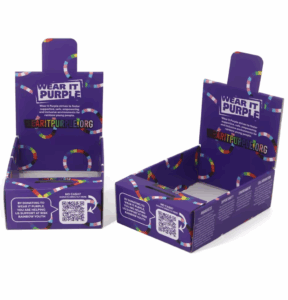
Badge / pin resale boxes & silk badges
-
Donation boxes, caps, patches, and more
By partnering with a supplier who already specializes in charitable and promotional goods, you free yourself to focus on campaign strategy, messaging, and community engagement — without getting bogged down in manufacturing logistics.
Be sure to explore their full line here: https://www.lanyardsplusuk.co.uk/product-category/charity-products/
A Walkthrough: Launching a Merchandise Campaign (Step by Step)
Here’s a hypothetical but realistic campaign timeline to help you plan:
Month 1: Strategy & Design
-
Define objectives & target audience
-
Audit previous merchandising (if any)
-
Choose core items (e.g. T-shirts, wristbands, pins)
-
Sketch designs; engage graphic designer
-
Request mockups / prototypes from supplier
Month 2: Testing & Pre-Marketing
-
Order small sample run (50–100 units)
-
Show them to staff, volunteers, focus groups
-
Collect feedback on design, usability, packaging
-
Launch “coming soon” teasers on social media & mailing list
-
Open pre-orders (with deposit) to gauge demand
Month 3: Production & Setup
-
Finalize order quantities based on pre-orders
-
Confirm lead times, delivery dates
-
Set up product pages on your website (with visuals, descriptions, cause messaging)
-
Prepare campaign materials (email, social, inserts, tags)
-
Plan logistics (warehouse, shipping, fulfilment)
Month 4: Launch & Promotion
-
Soft-launch to core supporters
-
Full launch via email, social media, events
-
Use influencer / ambassador seeding
-
Push bundles & limited editions
-
Monitor sales, engagement, stock levels daily
Month 5: Mid-Campaign Adjustments
-
Reallocate inventory from slow-selling items
-
Do flash-sales or promotions on underperformers
-
Create urgency (e.g. “only 100 left”)
-
Highlight user-generated content (supporters wearing items)
Month 6: Evaluation & Refresh
-
Analyze sales, ROI, inventory leftover
-
Survey supporters for feedback
-
Plan new designs or second-wave merchandise
-
Consider “sell-off” discounts for remaining stock
-
Use successful items as staples for future campaigns
This iterative cycle (design → sell → evaluate → refine) means your merchandise efforts get smarter and more profitable over time.
Sustainability & Ethical Considerations
In the modern charity environment, supporters care deeply about how goods are made. Being thoughtful about sustainability, ethics, and responsible sourcing can be a differentiator:
-
Use recycled or organic materials (e.g. organic cotton T-shirts, recycled PET water bottles).
-
Opt for low-impact dyes or eco printing.
-
Choose Fair Trade, certified suppliers when possible.
-
Minimize packaging waste; use biodegradable or recycled packaging.
-
Partner with suppliers who maintain good labour standards.
-
Be transparent: include tags or inserts explaining how manufacturing aligns with your charity values.
These choices not only reduce environmental impact but also resonate with mission-driven donors who pay attention to such details.
Common Pitfalls (And How to Avoid Them)
-
Over-ordering luxury lines that don’t sell
Solution: start small or use limited editions to test demand. -
Poor quality leading to returns or brand damage
Solution: always request and test samples before full orders. -
Underestimating shipping and customs costs
Solution: factor these in early, especially for international donors. -
Neglecting digital merchandising presence
Solution: integrate merchandise pages into your website and ensure mobile usability. -
Not aligning design with brand or messaging
Solution: maintain design consistency. Items should feel unmistakably yours. -
Failing to promote merchandise enough
Solution: merchandise should get exposure in campaigns, newsletters, social media, events — not hidden on an obscure shop page. -
Letting stale items sit unsold
Solution: plan for limited runs or seasonal refreshes, and offer clearance strategies.
Measuring Success: Metrics & KPIs
To understand whether your merchandise program is working, track:
-
Revenue per item & overall
-
Gross margin (after costs)
-
Conversion rates (visitors → buyers)
-
Average order value (AOV)
-
Sell-through rates (percentage of stock sold)
-
Inventory turnover
-
Donor acquisition rate (how many new donors bought merch)
-
Donor retention rate among merch buyers
-
Social reach / impressions (how many people saw items in use)
-
User-generated content (UGC) — posts or photos of supporters using the merch
-
Feedback / ratings / returns
By benchmarking and comparing across campaigns and over time, you can refine your merchandise mix, marketing approach, and supplier relationships.
The Future: Trends to Watch in Charity Merchandise
-
On-demand & print-to-order models, reducing inventory risk
-
Wearables & tech integration (e.g. NFC tags, QR codes embedded in items for interactive storytelling)
-
Eco-material innovations (e.g. algae fabrics, biodegradable plastics)
-
Limited drops & hype culture (e.g. merch “drops” that drive urgency)
-
Augmented reality (AR) merchandise, where an item triggers immersive digital content
-
Subscription merchandise bundles (e.g. quarterly boxes to supporters)
-
Collaborations & co-branding (partnering with artists, brands for exclusive charity merch)
By keeping your finger on the pulse of these developments, your charity can stay fresh and relevant.
Final Thoughts & Call to Action
Charity merchandise is more than just swag — it’s a multifaceted tool that, when used strategically, can amplify your mission, deepen supporter loyalty, and generate sustainable income. Your design, strategy, and supplier decisions matter greatly — but with careful planning and iteration, merchandise can become a strong pillar in your fundraising & outreach efforts.
If you’re ready to explore high-quality, customizable charity merchandise, consider the offerings at Lanyards Plus UK. Their Charity Products lineup includes wristbands, enamel medals, badges, apparel, tote bags, and more — all tailored for the nonprofit sector. Browse their catalog and get inspired here:
https://www.lanyardsplusuk.co.uk/product-category/charity-products/
Whether you’re launching a campaign, fundraising event, or awareness initiative — merchandise done right can help carry your cause into the world, quite literally, in the hands and on the persons of your supporters.
