
The Ultimate Guide to Custom Lanyards: Design, Uses, and Branding Power
Introduction
In today’s world, branding is more than just a logo on a business card. Companies, organizations, schools, and even individuals are constantly searching for unique, affordable, and practical ways to stand out. One often-overlooked tool that checks all these boxes is the custom lanyard.
At first glance, lanyards may seem like simple accessories for holding ID badges, keys, or passes. But in reality, they serve as powerful marketing tools, functional accessories, and even fashion statements. In this comprehensive guide, we’ll explore everything you need to know about custom lanyards—from their history and design options to their modern-day applications in branding, events, and personal use.
Chapter 1: What Are Lanyards?
A lanyard is a cord or strap designed to be worn around the neck, wrist, or shoulder to carry items like ID cards, whistles, or access passes. The word “lanyard” comes from the French term lanière, meaning strap. Historically, lanyards were used by sailors and soldiers to secure knives, pistols, or whistles.
Today, lanyards are used across multiple industries:
-
Corporate offices for employee ID cards and access control.
-
Events and conferences for attendee badges.
-
Schools and universities for student IDs.
-
Sports teams and fans for credentials or ticket holders.
-
Retail and service industries for keys or promotional branding.
Chapter 2: Why Custom Lanyards Matter
Customization transforms a basic lanyard into a branding opportunity. Instead of a plain strap, organizations can showcase their logos, slogans, colors, or even QR codes.
Key benefits of custom lanyards include:
-
Brand Visibility – Worn around the neck, lanyards are constantly visible.
-
Cost-Effective Marketing – Compared to billboards or digital ads, they are inexpensive and long-lasting.
-
Professional Image – Coordinated lanyards create a sense of unity and professionalism.
-
Practical Utility – They serve a dual purpose: carrying essential items while promoting a brand.
-
Memorability – Attendees at events often keep lanyards as souvenirs, prolonging brand exposure.
Chapter 3: Types of Custom Lanyards
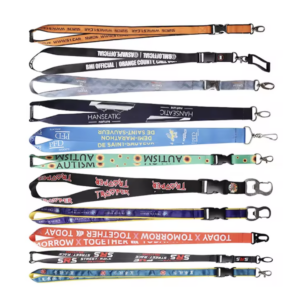
Custom lanyards come in various materials, styles, and printing options. Choosing the right one depends on the intended use and budget.
Materials
-
Polyester Lanyards: Durable, cost-effective, and ideal for screen printing.
-
Nylon Lanyards: Smooth and glossy, perfect for high-quality printing.
-
Tubular Lanyards: Made from tube-stitched polyester, they resemble shoelaces and are budget-friendly.
-
Woven Lanyards: Logos and text are stitched directly into the fabric, ensuring longevity.
-
Eco-Friendly Lanyards: Made from recycled PET or bamboo fibers, great for sustainability initiatives.
Attachments
-
Swivel hooks, lobster clasps, bulldog clips, and badge reels add functionality.
-
Safety breakaways ensure lanyards detach if pulled forcefully, enhancing safety in workplaces or schools.
Printing Options
-
Screen Printing: Best for simple logos and text.
-
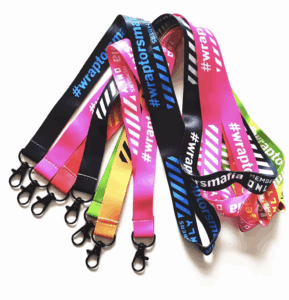
Dye Sublimation (Heat Transfer): Allows full-color, photo-quality designs.
-
Woven Designs: Long-lasting and professional.
Chapter 4: Where Custom Lanyards Are Used
1. Corporate World
Employees wear them for ID badges, access cards, and office keys. Branded lanyards also reinforce company culture.
2. Conferences and Trade Shows
Lanyards make networking easier and help organizers manage access control.
3. Schools and Universities
They improve security by ensuring only authorized people are on campus.
4. Non-Profits and Fundraisers
Organizations use them to spread awareness of causes.
5. Sports and Entertainment
Concerts, tournaments, and fan events often feature custom lanyards as memorabilia.
Chapter 5: Lanyards as Marketing Tools
Lanyards offer a form of walking advertisement. When an employee, student, or fan wears one in public, the brand gets free exposure. Unlike business cards, lanyards don’t get tucked away—they’re worn proudly.
Tips for effective marketing with lanyards:
-
Use bold, readable fonts.
-
Stick to brand colors.
-
Keep the design minimal but memorable.
-
Include QR codes linking to websites, apps, or campaigns.
Chapter 6: Designing the Perfect Custom Lanyard
Step 1: Define Your Purpose
Is it for security, marketing, or a giveaway? The goal will determine the design.
Step 2: Choose Material
Balance durability, comfort, and cost.
Step 3: Select Colors
Match brand identity but also consider contrast for readability.
Step 4: Pick Printing Style
Full-color sublimation for detailed graphics, or woven for longevity.
Step 5: Add Attachments
Badge holders, clips, or retractable reels enhance usability.
Chapter 7: Custom Lanyards in Different Industries
-
Healthcare: Nurses and doctors use them for ID cards. Custom colors can denote departments.
-
Technology Companies: Employees wear them at product launches and developer events.
-
Hospitality: Hotels and resorts issue lanyards for staff and guests.
-
Retail: Stores give them away as freebies or use them for staff keys.
Chapter 8: Eco-Friendly Lanyards
With growing awareness about sustainability, eco-friendly lanyards are gaining popularity. They are made from recycled plastics, organic cotton, or bamboo fibers. Businesses using them not only reduce environmental impact but also boost their eco-friendly image.
Chapter 9: How to Order Custom Lanyards
-
Research Suppliers – Look for reviews, pricing, and customization options.
-
Request Samples – Always test quality before bulk orders.
-
Finalize Design – Ensure your logo is high-resolution and brand guidelines are followed.
-
Bulk Orders – The more you order, the lower the unit cost.
-
Delivery and Lead Time – Plan ahead, especially for events.
Chapter 10: Future of Custom Lanyards
The future lies in smart lanyards—those equipped with RFID chips, NFC technology, or digital QR codes. These innovations allow seamless access control, cashless payments at events, and real-time tracking for security.
Conclusion
Custom lanyards are much more than fabric straps. They’re practical, cost-effective, and powerful tools for branding, security, and engagement. Whether for a multinational corporation, a local school, or a charity event, the humble lanyard has evolved into an essential accessory that connects functionality with identity.
